Traveling With a Dog: A Practical Guide to Safer, Calmer, Happier Trips by Mia Price
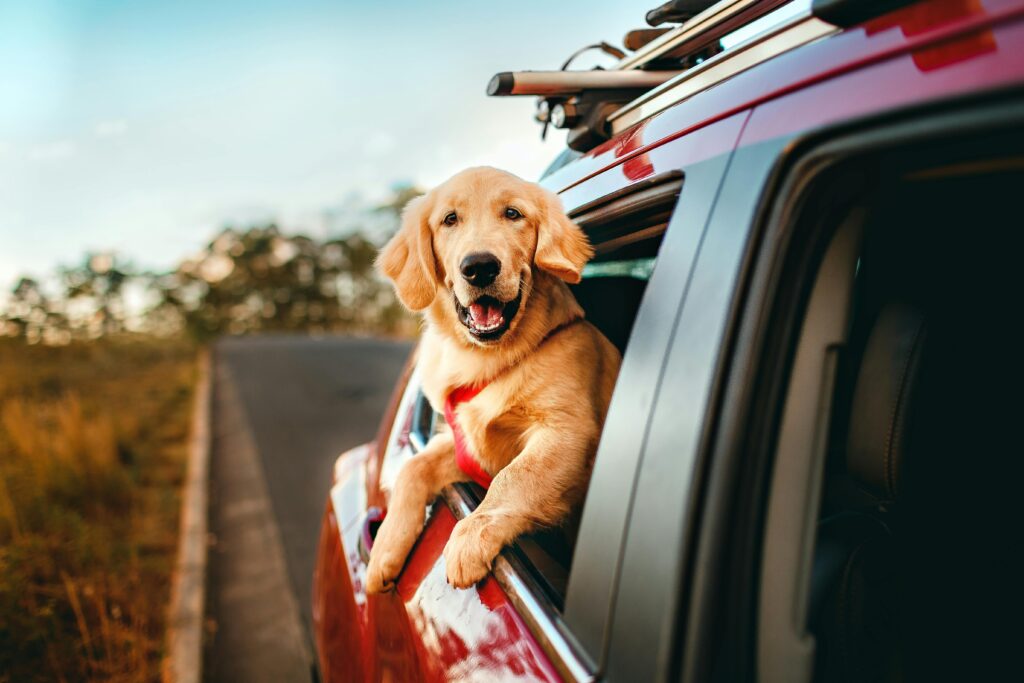
Traveling with a dog is a small logistics project with a big emotional payoff: you get a
buddy, your dog gets new smells, and both of you get a change of scenery—if you plan for
safety and stress from the start.
The quick version
● Start with health + identification (vet check, updated ID/microchip info).
● Match the trip to your dog’s comfort level (short practice rides beat one epic first
attempt).
● Use restraint every time (crate or crash-tested harness in the car).
● Keep routines familiar (same food, same potty cues, predictable breaks).
● Have an anxiety plan (training, decompression time, and—if appropriate—vet-
guided tools like CBD).
Before you book anything, do this one phone call
A quick check-in with your veterinarian can catch the trip-ruiners: motion sickness,
unmanaged pain, anxiety triggers, or a medication schedule that needs adjusting. It’s also a
good time to ask what paperwork you’ll need if you’re crossing borders or staying
somewhere with pet rules.
Travel Mode Cheat Sheet
Travel type Works best
when…
Common stress
points
Simple fixes
Car Your dog tolerates
motion and
confinement
Nausea, overheating,
restlessness
Short “practice loops,”
frequent water,
crate/harness, shade
Plane Your dog is small
enough for in-cabin
(or you must fly)
Loud noise, long waits,
temperature risk in
cargo
Choose direct flights,
confirm airline pet
policies early
Train/bus Rules allow dogs
and crowds won’t
overwhelm them
Tight spaces,
strangers, sudden
noises
Muzzle training if needed,
calm-mat practice, off-
peak timing
Hotel/rental You can control the
environment
New sounds,
separation anxiety
“Home base” crate, white
noise, short departures
first
Your nervous system is contagious (for them, too)
Dogs are excellent at reading humans. If you’re rushed, tense, or snappy, many dogs mirror
that arousal—then “small” stress behaviors can turn into barking, pulling, or reactive
moments in public. Controlling your responses is critical when it comes to lowering your
pet’s stress levels. Try to slow your breathing before you enter crowded spaces, loosen
your grip on the leash, and give your dog a simple job (“touch,” “sit,” “find it”) instead of
yanking them through the moment.
Pack like you’re going on a mission (not a vibe)
Here’s the stuff that prevents most travel problems:
● Leash + backup leash
● Collar/harness with ID tags and a recent photo of your dog
● Food for the whole trip + a little extra (brand switches can upset stomachs)
● Collapsible bowls, water, and a few familiar treats
● Waste bags, paper towels, enzyme cleaner
● Any meds + copies of prescriptions
● A favorite blanket or worn T-shirt (smells like home)
● Paw protection if you’ll hit hot pavement, ice, or rough terrain
CBD oil for travel anxiety
Some pet owners use cannabidiol (CBD) to help with travel-related stress. If you’re
considering CBD, talk to your veterinarian first, especially if your dog is on other
medications or has liver concerns. Watch for side effects like sleepiness, tummy upset, or
wobbliness, and stop if anything feels “off.” (Your vet can help you interpret changes.)
One solid resource to bookmark before you go
The CDC’s Pet Travel Safety guidance is a fast, trustworthy reference for prep, ID, and
keeping travel healthy for both humans and animals. You can also save that page to your
phone’s home screen so it’s easy to pull up mid-trip if plans change. If you’re traveling
across state lines or internationally, it’s worth double-checking the latest entry and health
requirements there too—those details can shift and vary by destination.
FAQ
How often should I stop on a road trip with my dog?
Plan for regular breaks, and increase them for puppies, seniors, or dogs who get anxious.
Use stops for quick sniffing, water, and a calm reset.
Should my dog ride loose in the back seat if they’re “well behaved”?
No. Sudden stops and accidents turn a loose dog into a projectile. Use a crate or a crash-
tested harness.
Is CBD oil a guaranteed fix for travel anxiety?
No. Evidence is still emerging, quality varies, and it may not be appropriate for every dog.
Vet guidance and a home trial matter.
What if my dog barks in hotels or new places?
Give them a “home base” (crate/bed), add white noise, and practice short separations.
Many dogs settle once the environment becomes predictable.
Conclusion
A great dog trip usually looks boring on paper: gear tested, breaks planned, routines
protected. That “boring” prep is what buys you the fun parts—calm walks, dog-friendly
patios, and zero panic in the parking lot. Start small, build confidence, and treat stress like a
solvable travel variable, not a personality flaw. If anxiety is a recurring theme, loop in your
veterinarian early so your plan fits your dog, not just the itinerary.